
People are not what they seem. The same goes for brands. Most brands don't have a strategy, they have a brand book that no one reads. A brand built with a psyche knows itself. It doesn't need a book to explain it. Brands are people. They should act like it.


Branding is often seen as a discipline of the surface. Logos and palettes and taglines. The part you can see. But when brand is done correctly, it isn't a logo, or a personality, or a name. Those are identifiers, not identity. Brands are supposed to be complicated. Complication is the only thing that lets a brand evolve instead of getting replaced.
PERSONALITY IS NOT ENOUGH.
If you want a brand to connect to people, it seems only logical that you build a brand with the same components a person has.The closest anyone has come to understanding what makes a person a person is Carl Jung and his work in Analytical Psychology.Then came the age of the archetype wheel; strategists took the concept from Jung and left the framework behind. Twelve patterns he spent a career describing as forces that exist all around us and in us at all times, simplified into a personality quiz. Pick one. Be it. It took the archetype and dropped the psyche, the very system that makes the archetypes functional.Shade is a framework that borrows from the model of the psyche, representing the different layers of the conscious and unconscious mind.We don't create archetypes. We recognize them. They exist all around us, all the time, in every story you've ever read, every movie you've ever seen, in myths written thousands of years apart by people who never encountered each other.
A character tells you who someone is. An archetype tells you the pattern. There are twelve distinct patterns. Each one is unique in its own way. With powerful gifts and terrifying shadows.THE ARCHETYPES
-
![A statue of a bearded man in a hooded robe holding a lantern. The statue is in a neutral color with a pixelated medical cross symbol on the lantern.]()
THE ALCHEMIST
Mysterious. Transformative. Mutable.
Pattern: Turns what exists into something better. -
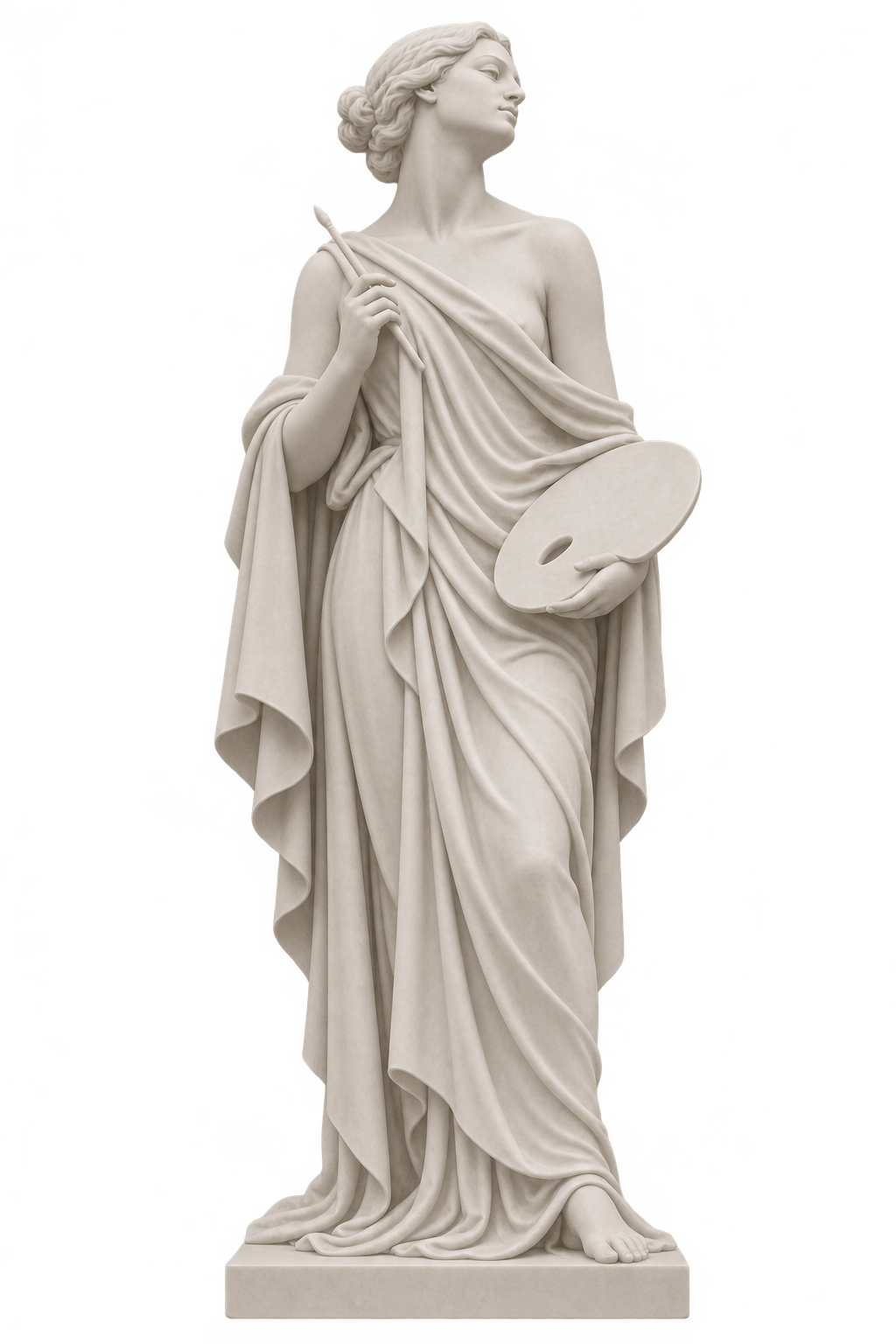
![A classical statue of a woman holding a paint palette and brush, with a pixelated glitch in her abdomen area.]()
THE ARTIST
Original, Expressive, Visionary.
Pattern: Creates Something New -
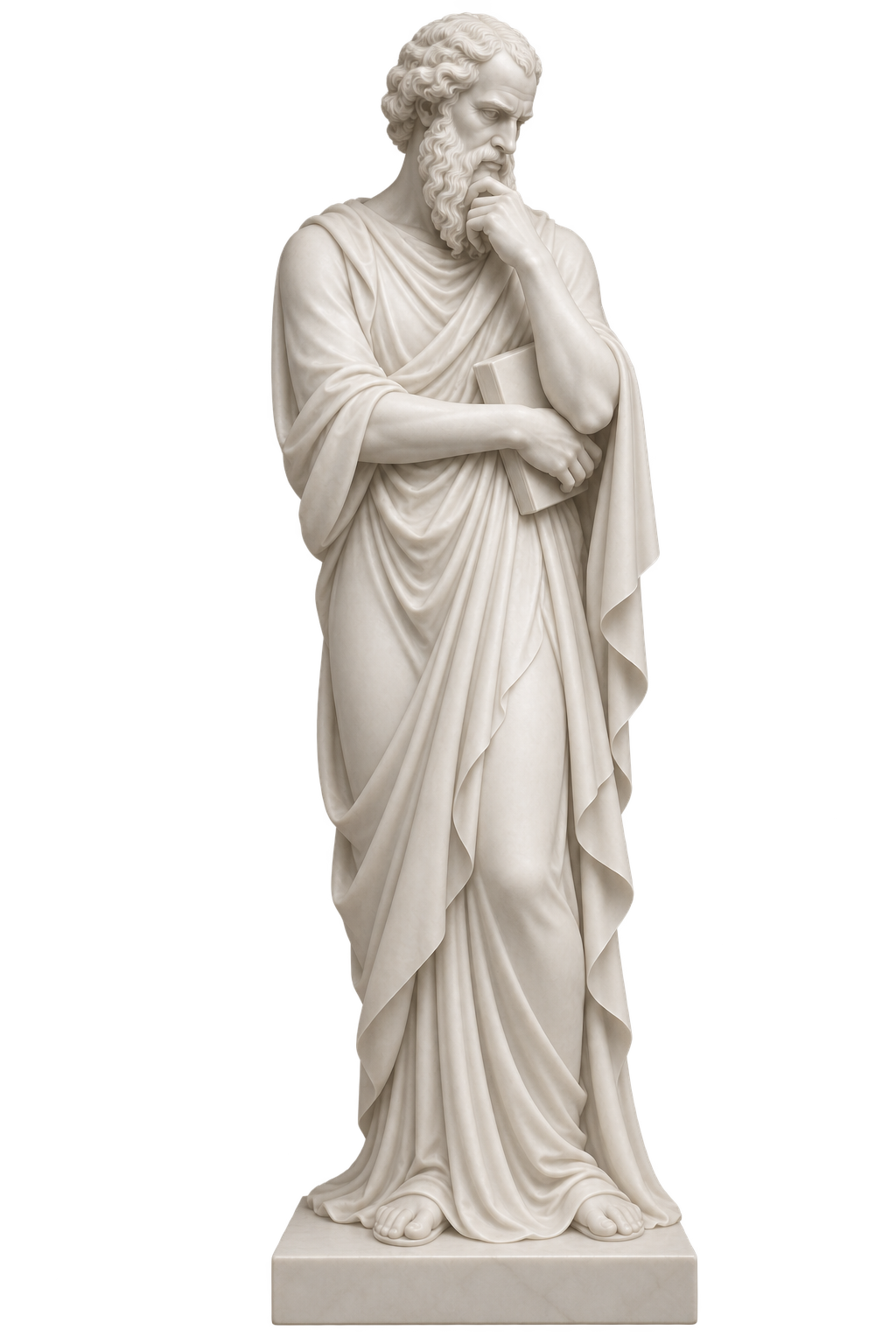
![Seated marble statue of a bearded man draped in robes, holding a scroll, with a contemplative expression.]()
THE PHILOSOPHER
Intelligent, Educational, Clear.
Pattern: Informs Others -
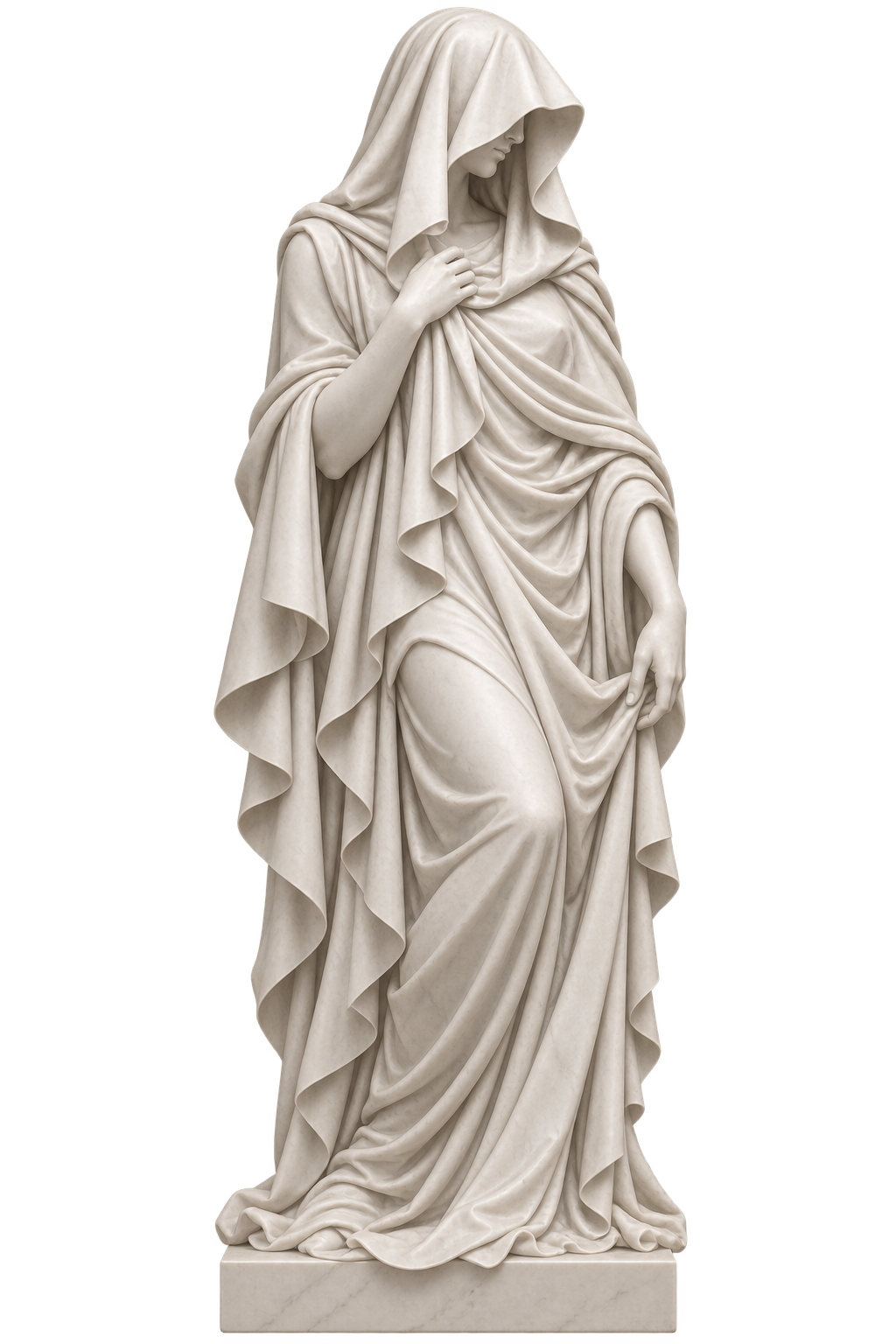
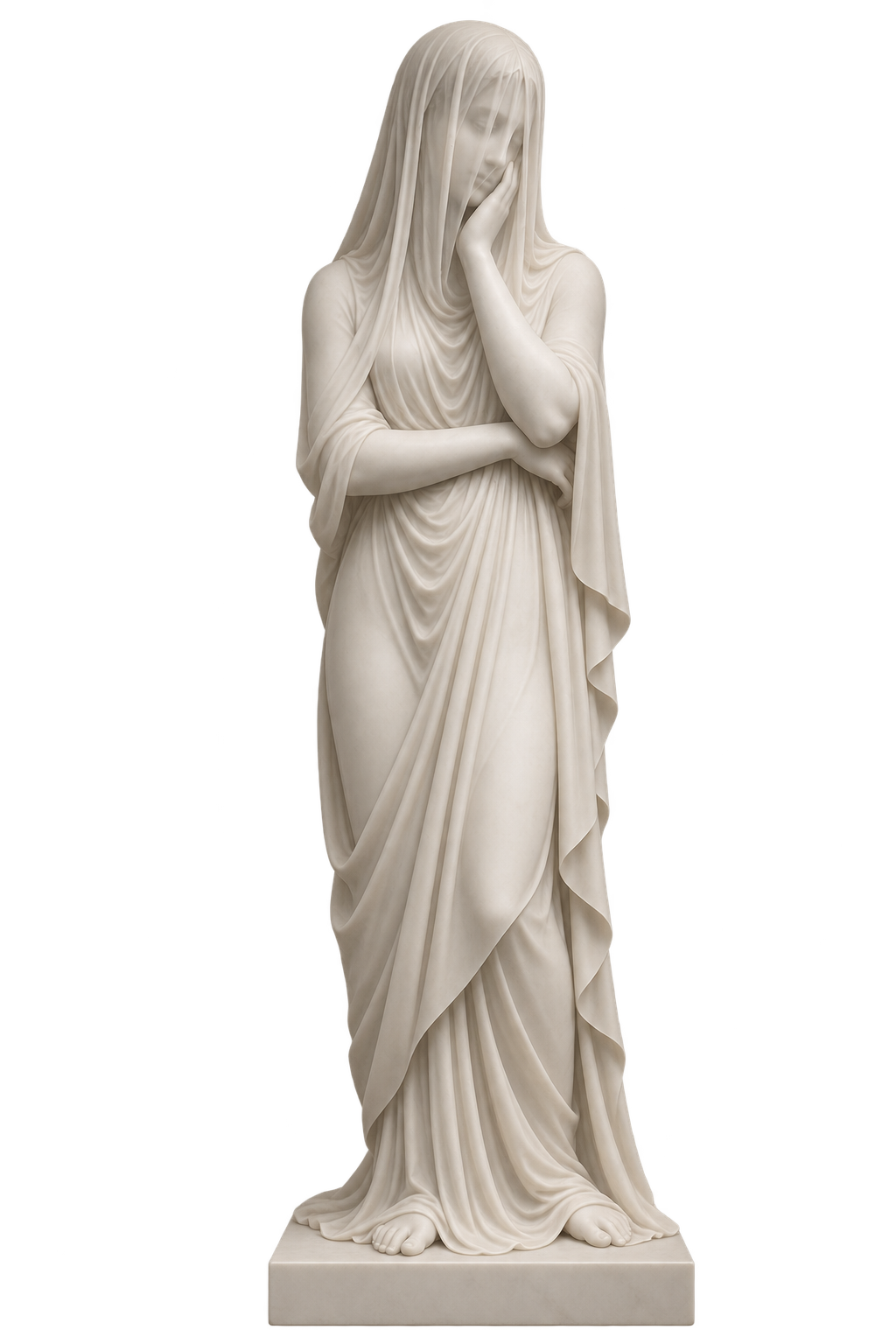
![Statue of a woman with her head covered, wearing a draped gown, standing with her arms crossed, on a square base.]()
THE DREAMER
Optimistic. Innocent. Idealistic.
Pattern: Believes in the impossible. -
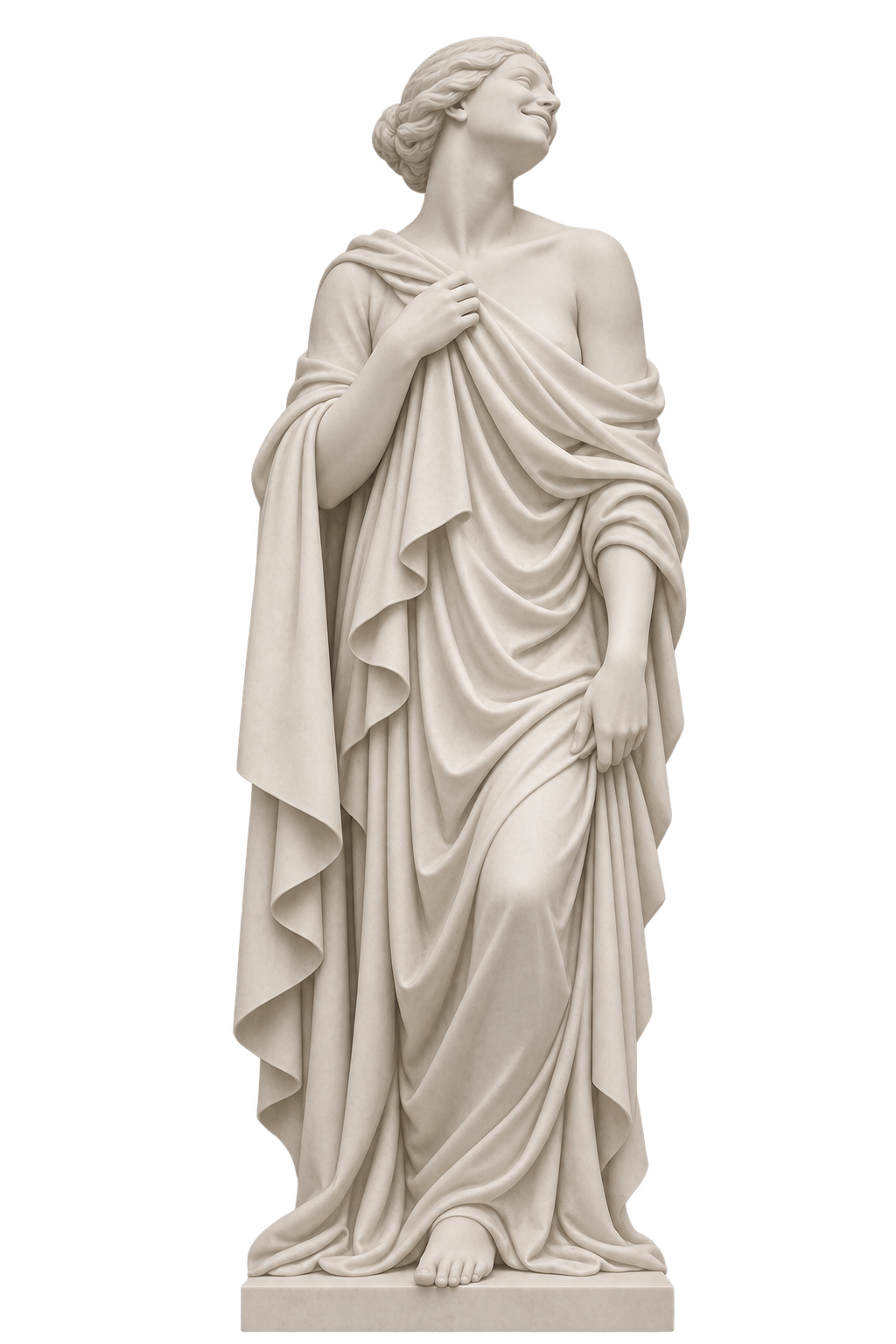
![Marble sculpture of a joyful woman dancing with flowing dress, standing on a pedestal.]()
THE HARLEQUIN
Funny, Unpredictable, Entertaining.
Pattern: Disrupts Through Humor -
![Statue of a young woman with closed eyes, holding a rose in her right hand, dressed in a draped gown with a pixelated heart near her waist.]()
THE MUSE
Beautiful, Articulate, Indulgent.
Pattern: Inspires Desire -
![A classical sculpture of a young man with crossed arms, wearing a long robe, standing on a rectangular pedestal.]()
THE WALLFLOWER
Relatable, Communal, Grounded
Pattern: Finds Common Ground -
![Statue of a Roman soldier holding a spear, wearing a helmet, armor, with a cape and a sword.]()
THE WARRIOR
Loyal, Relentless, Disciplined.
Pattern: Refuses To Quit -
![A white statue of a bearded king wearing a crown, holding a scepter in his right hand and a rounded object with a cross on top in his left hand, against a black background.]()
THE SOVEREIGN
Authoritative. Trusted. Rare.
Pattern: Establishes Order -
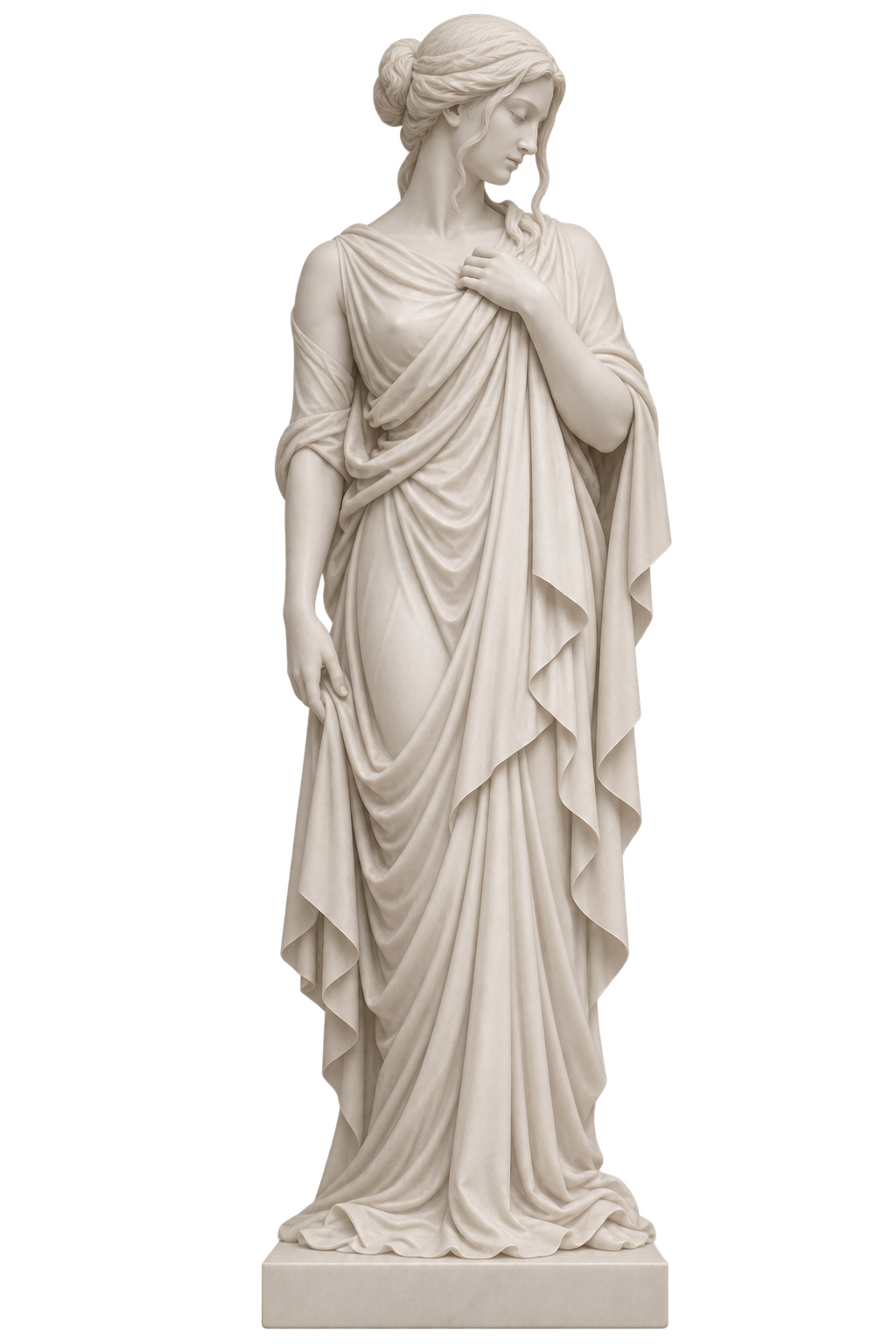
![A classical marble statue of a woman dressed in flowing robes, with long hair and a serene expression, her hands clasped in front of her.]()
THE MOTHER
Empathetic, Giving, Nurturing.
Pattern: Cares For Others -
![A marble sculpture of a bearded elderly man with a serious expression, wearing a hooded robe, carrying a large sack on his back, holding a staff in his right hand, with pixel art symbols on his robe.]()
THE SEEKER
Curious, Dynamic, Exploratory.
Pattern: Ventures Beyond -
![Marble statue of a hooded, robed figure holding a torch, standing on a rectangular base.]()
THE ANARCHIST
Defiant. Disruptive. Aggressive.
Pattern: Breaks The Rules
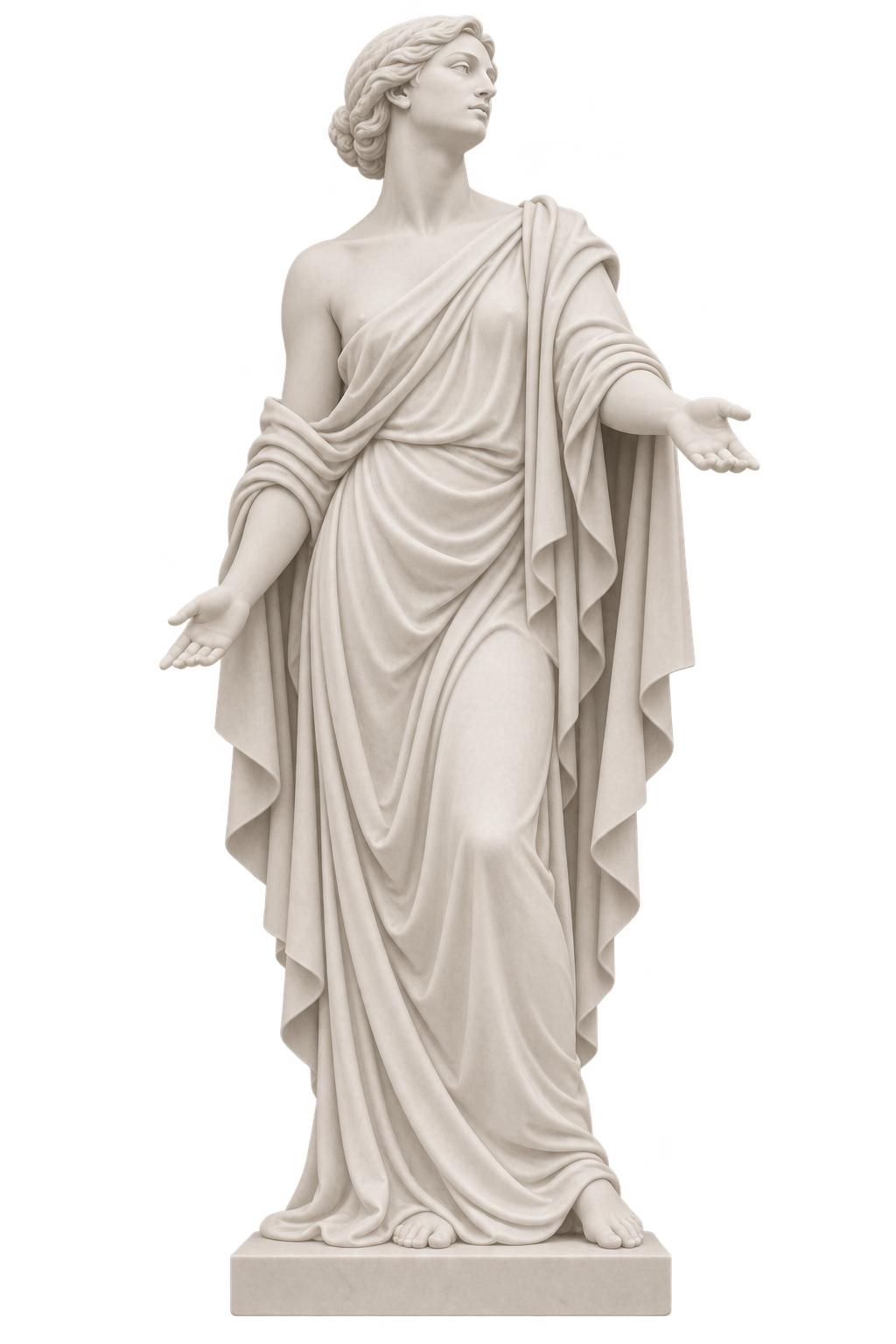
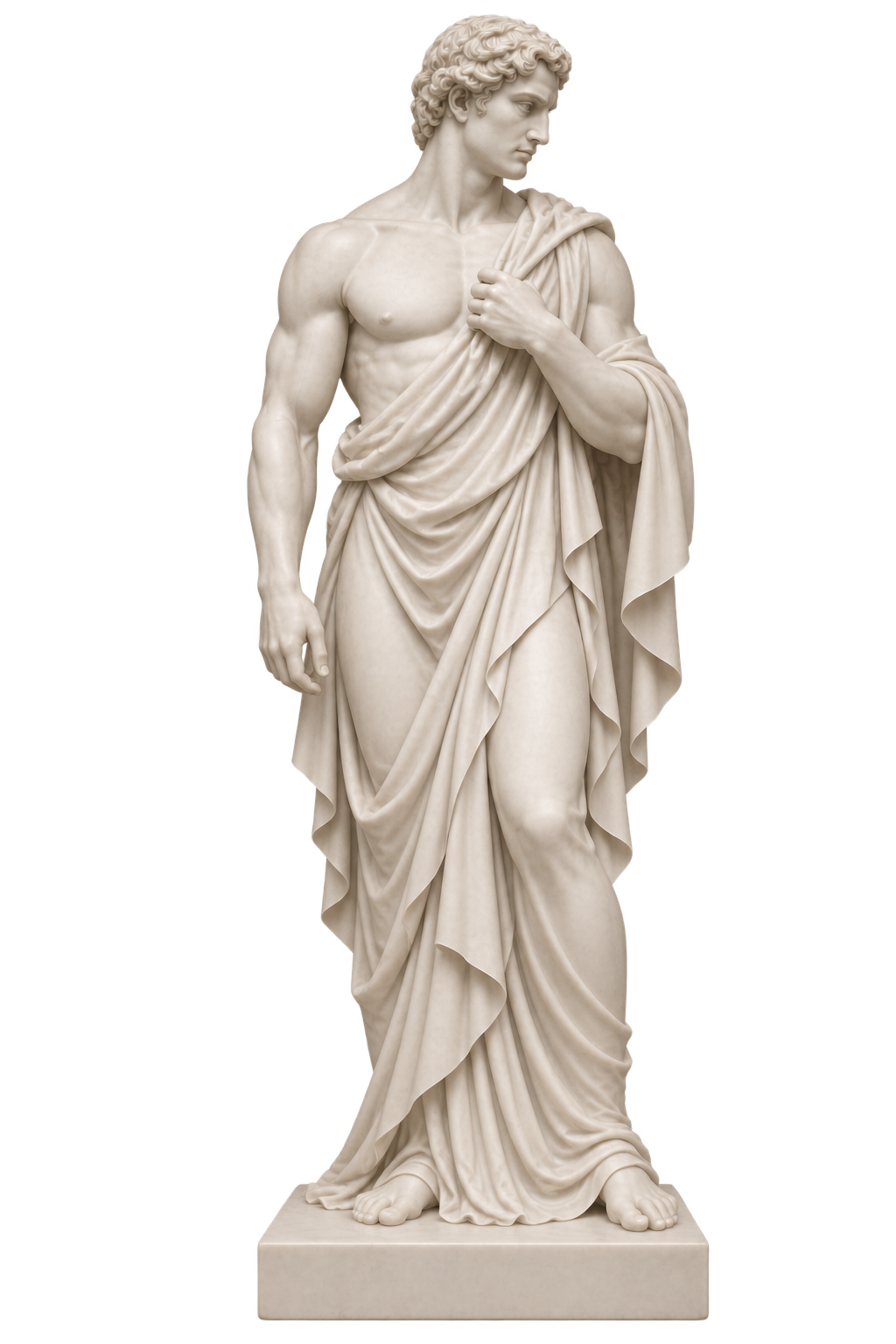
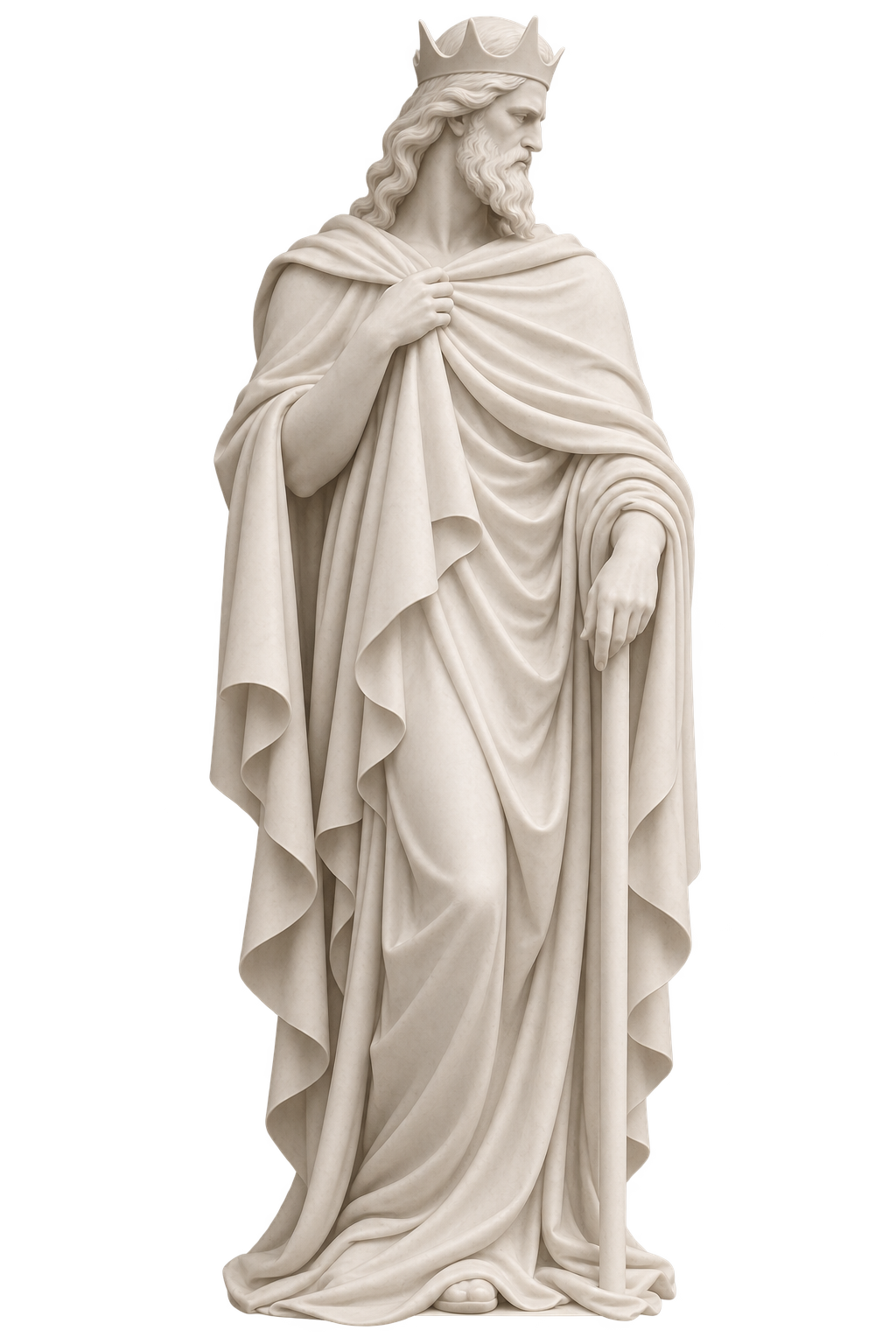
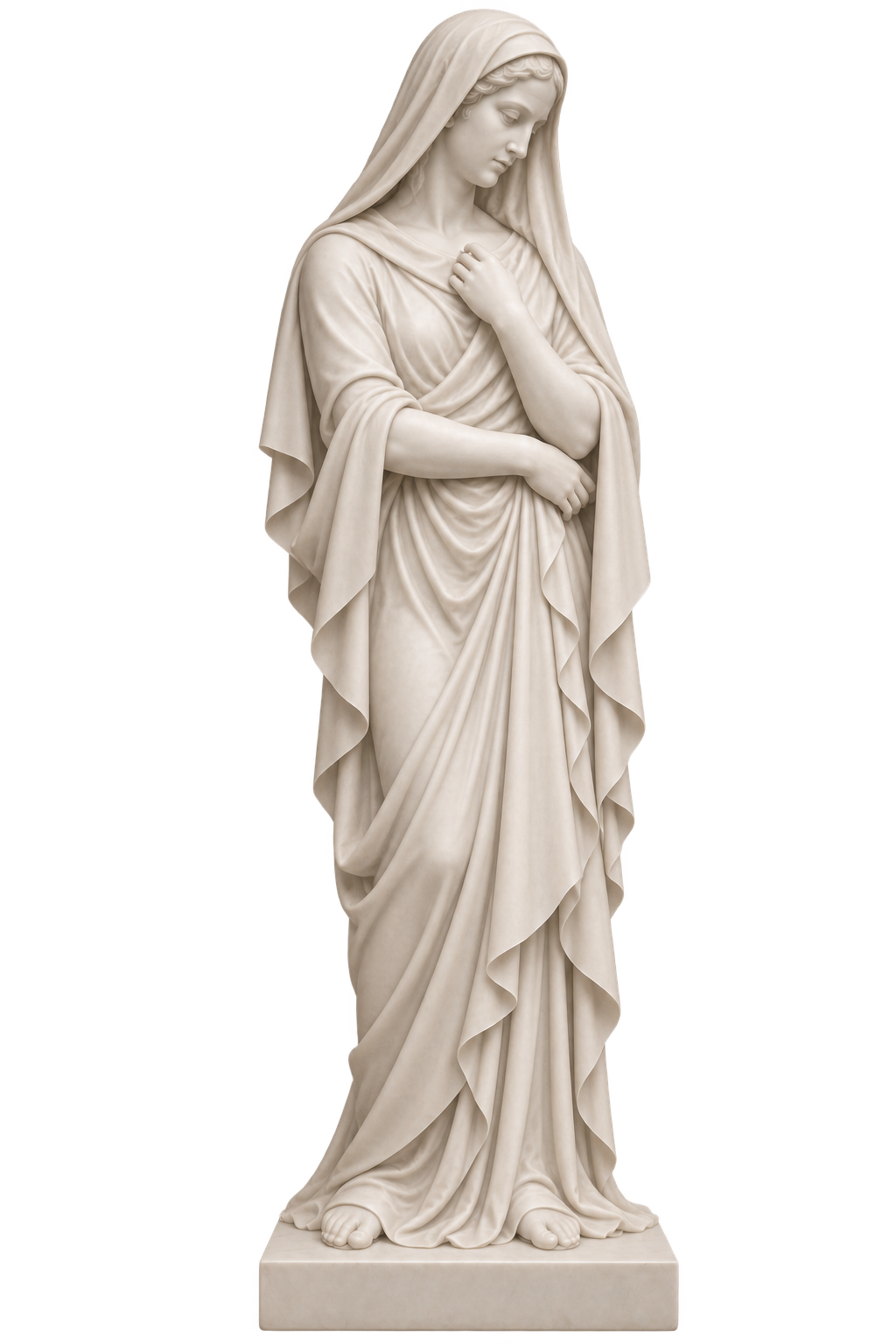
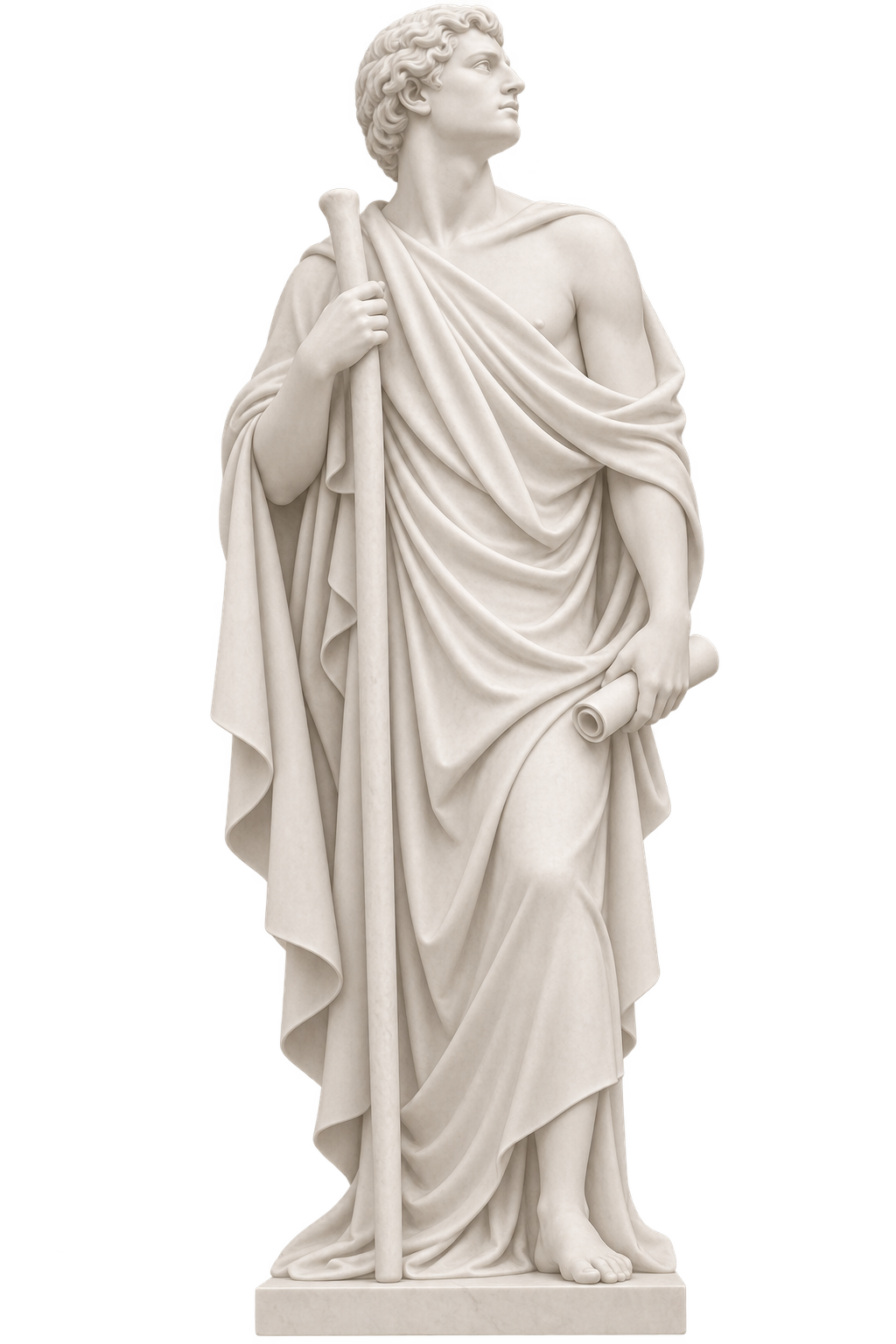
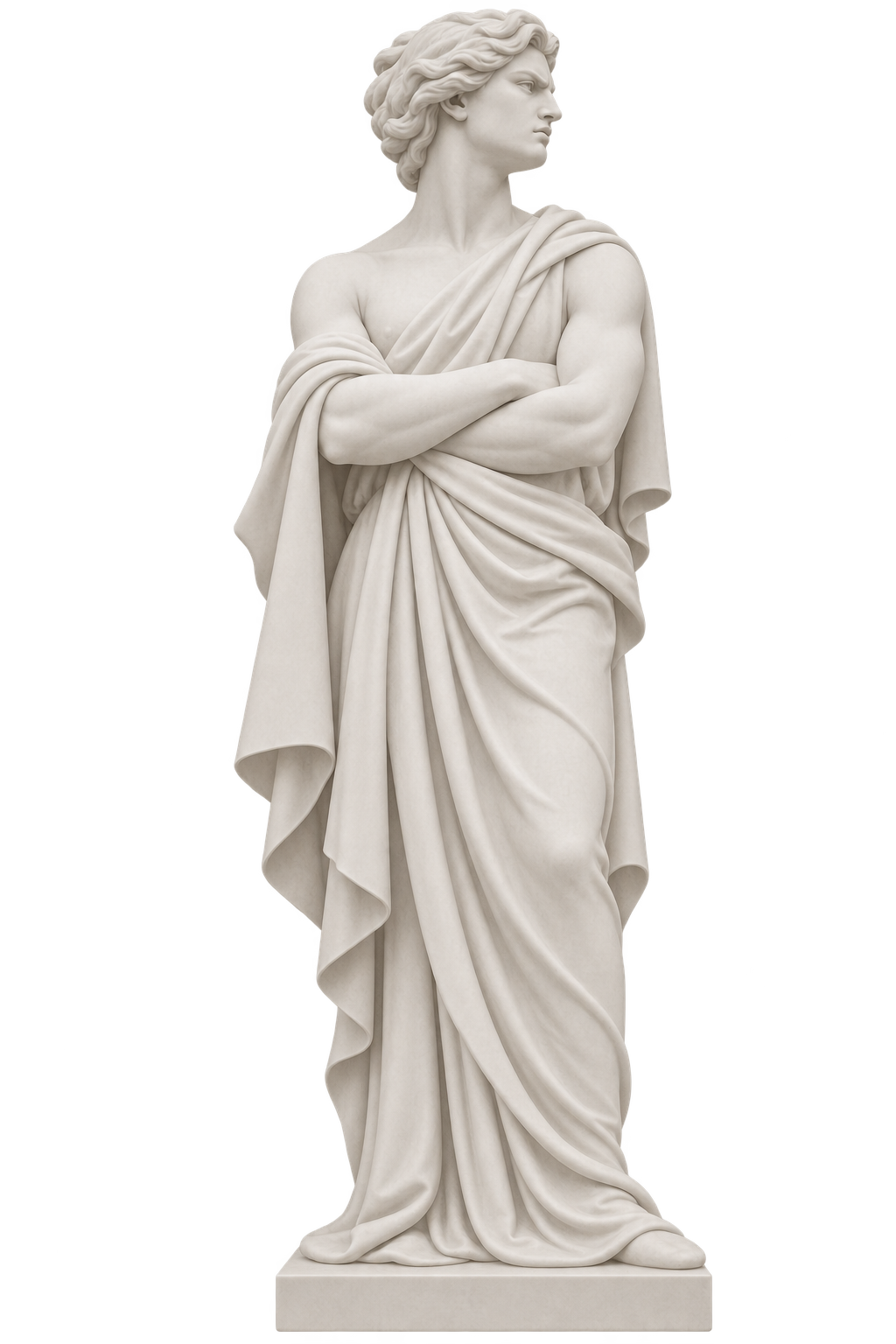
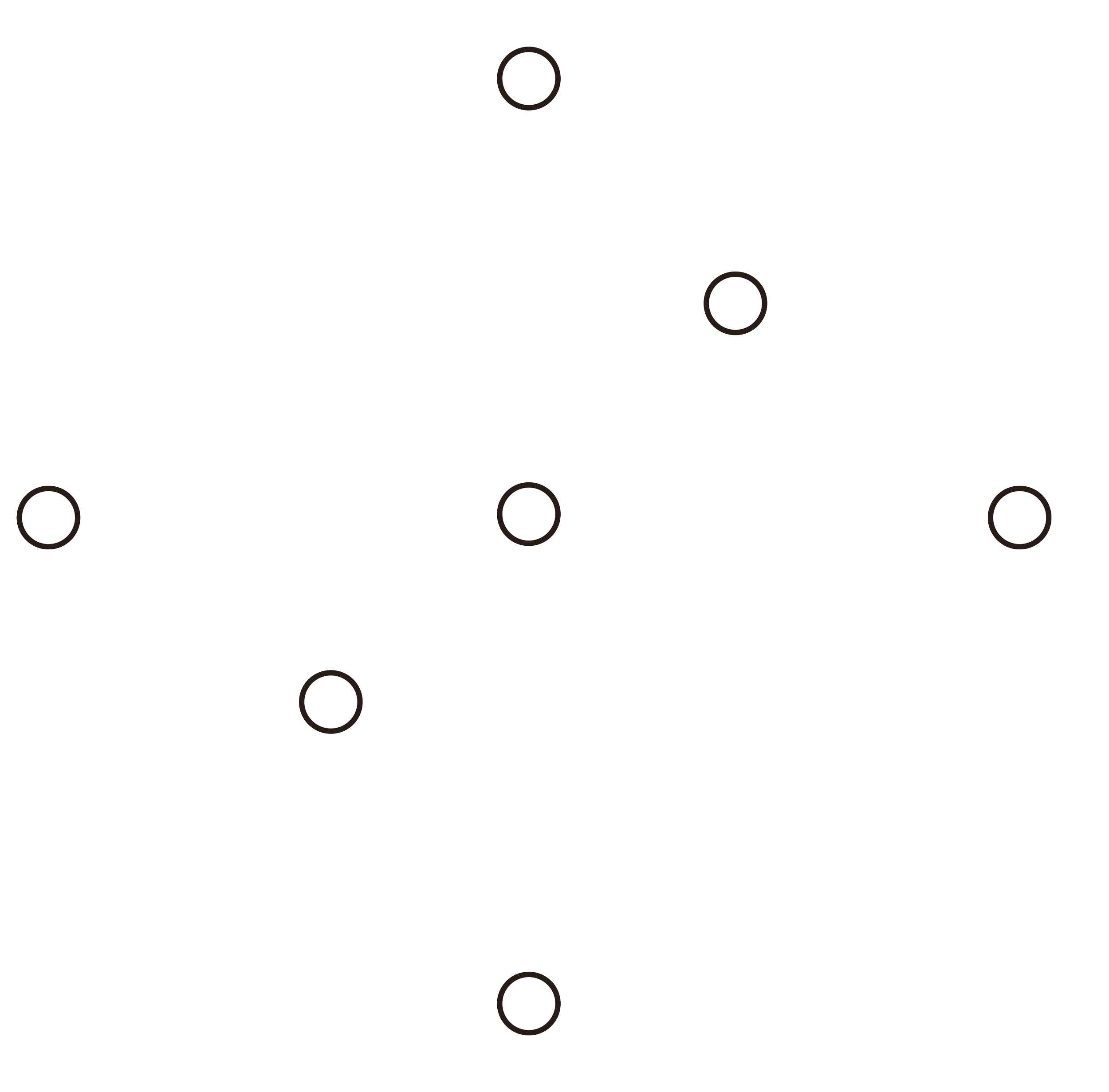
A brand has a body; product, packaging, storefront, app. Strip that away and most brands have nothing left. Some do. That persistent shape is the Shade.
Five things make up a Shade, the same five that create a psyche.
SHADE stands for Shroud, Helm, Anchor, Darkling, and Echo.
Five placements. One Shade.
If you think your brand doesn't have a psyche, maybe you should give it one.
People are complex. Brands should be too.
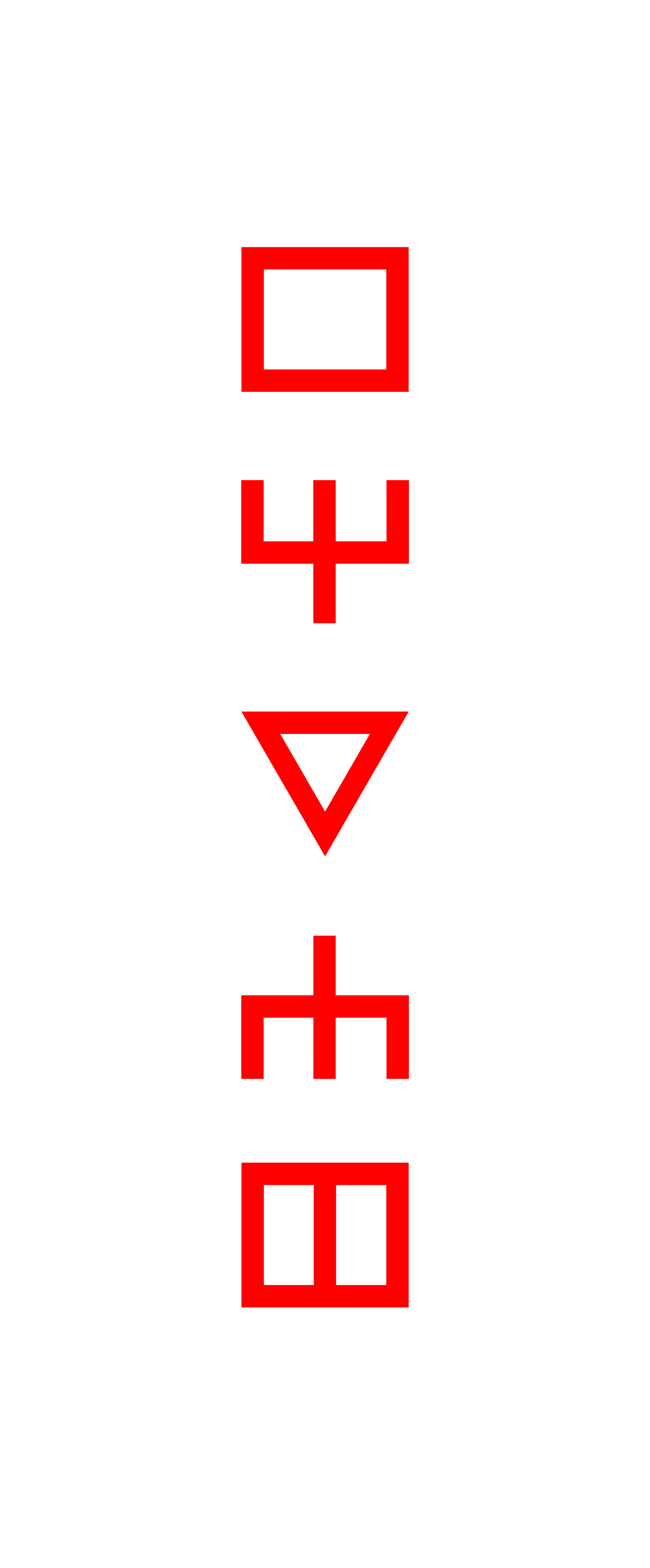
Instead of relying on one-dimensional archetypes or surface-level identity work, Shade Tactics maps a brand’s psyche using five core components each ruled by an Archetype.-
how the brand intentionally presents itself: the visual ID, the mask it wears. Recognizable within three seconds.
-
how the brand thinks. The mind that decides what the brand should do, and modulates the Shroud to give it flavor.
-
the reason the brand exists in the first place, the founding truth. Everything else can evolve. This shouldn't. Change it and you have a different company.
-
what the brand must never become, the anti-brand. Most strategies tell you everything you are. This is the harder list: everything you aren't. Plus the gift of the shadow, the thing you are afraid to do but should.
-
the archetype your entire audience has in common. Not demographics. A component of your audience's own psyche, that they recognize in you.
Most brand strategy isn’t even a strategy. Choose the five placements and everything else stops being an unconscious decision and starts being a strategy that already exists: positioning, identity, voice, product decisions, campaign territory, who gets cast in a photograph. None of it was ever really up for debate. As long as the five parts exist on purpose, you have every answer.Brand is connection. And separation. The two fundamental aspects of the human experience. What do we have in common? What makes us different. What is under the surface. What is hidden.The brands that survive the next decade won't be the most aesthetic. They'll be the most capable of connection. And brands connect the same way people do. Recognition. Give your brand a psyche and you've given it the one thing capable of being recognized by another one. The difference between a brand that connects and a brand that doesn't was never the logo, or colors, or personality. It's the unconscious cues. Be it on purpose or by accident. On purpose sounds like a better strategy.BRANDS ARE PEOPLE.

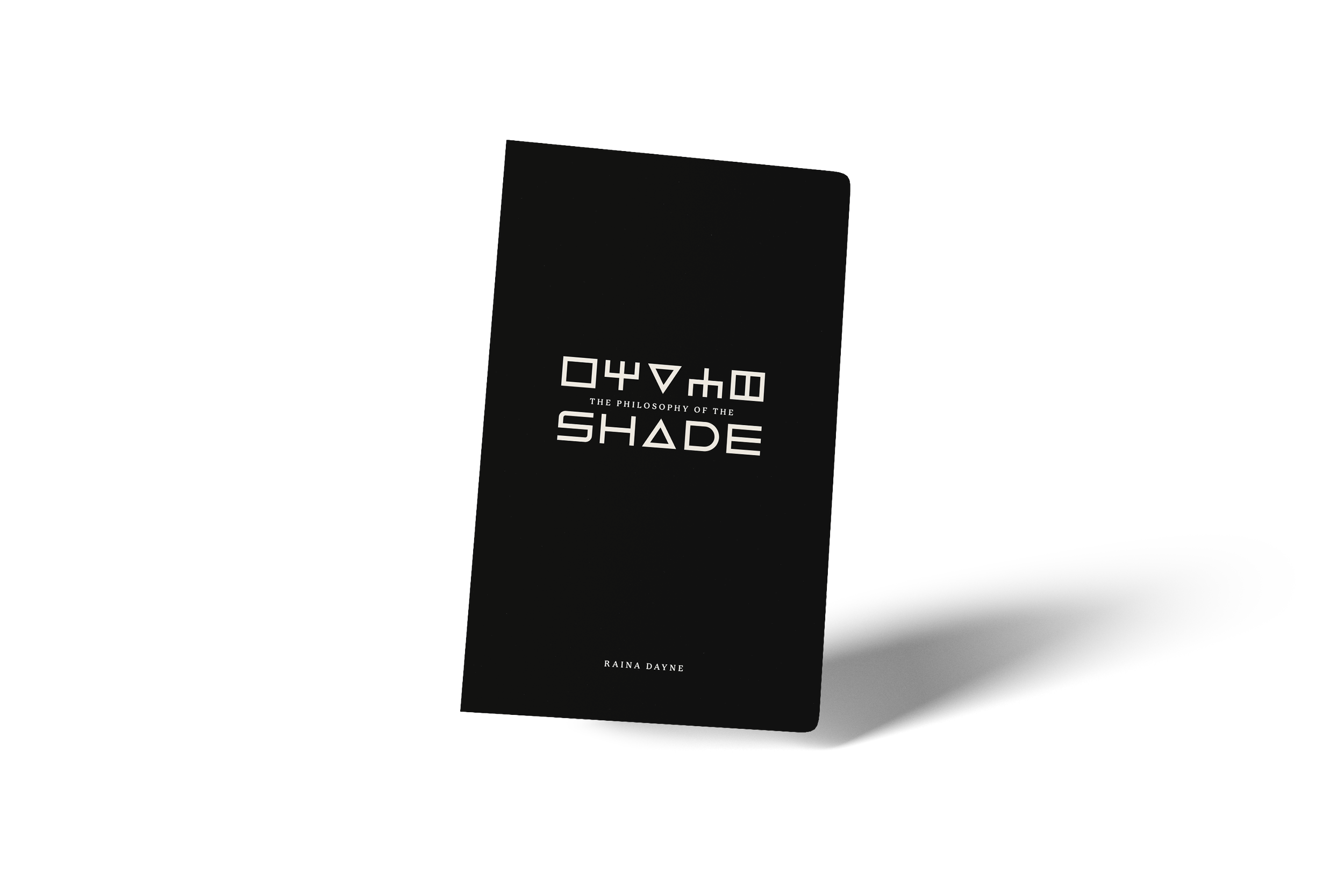
The Framework. The Philosophy. The Book.
People are not what they seem. And a person that doesn't understand itself will never be understood. The same goes for brands.
If you think your brand doesn't have a psyche, maybe you should give it one. This book will show you how.
Questions? Ideas? Existential dread? Let’s connect.
